





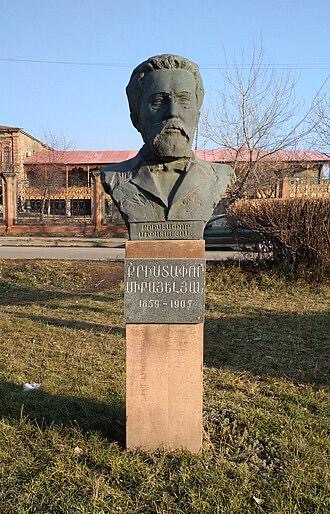
Քրիստափորի երրորդ գաղափարական սպանությունը, որն իր հետևորդները կրկին պատրաստ չեն ընդունելու, հենց այն է, որ նրանք հեռացան այն քաղաքական թեզից, որի խորհրդանիշն էր ինքը՝ Քրիստափորը։ Փոխարենը՝ նրանք թաքնվեցին մի գաղափարախոսական հակաթեզի հետևում, որ նա կենդանության օրոք մերժում էր։
Կայծ Մինասյան
Թող թյուրիմացություն չլինի. իրականում Քրիստափոր Միքայելյանին չեն սպանել։ Հայ Հեղափոխական Դաշնակցության (ՀՅԴ) հիմնադիրը զոհվել է 1905 թվականի մարտի 4‑ին Բուլղարիայում՝Վիտոշա լեռան ստորոտին՝ Սուլթան Աբդուլ Համիդ II‑ի դեմ ուղղված իր իսկ ղեկավարած մահափորձի համար պատրաստված պայթուցիկների վերջին փորձարկման ժամանակ։ Իհարկե, միշտ էլ կարելի է հարցականի տակ դնել հայ հեղափոխության ռահվիրայի մահվան հանգամանքները, որի հանկարծակի կորուստը բանաստեղծ և դաշնակցական Սիամանթոյի դիպուկ բնորոշմամբ, «որբացրեց» ՀՅԴ մարտիկներին։ Այս գնահատականը հրապարակվել էր Դաշնակցության կենտրոնական օրգան «Դրոշակի» մահախոսականում։ Բայց սույն հոդվածի վերնագիրը նրա մահվան առեղծվածային հանգամանքներին չի վերաբերում։ Այն հիմնականում այն քաղաքական ժառանգության մասին է, որն «առաքյալ» Քրիստափորը, ինչպես նրան անվանում էր Ավետիս Ահարոնյանը, կտակել է իր հաջորդներին։
Ժառանգության խնդիրը մշտապես եղել է ամենաբարդ փորձություններից մեկը հեղափոխական կազմակերպությունների համար։ Հաճախ հետևորդներն կանգնում են միևնույն հարցի առաջ․ ինչպե՞ս հավատարիմ մնալ առաջնորդի գաղափարներին։ Արդյո՞ք պետք է անվերապահորեն ընթանալ նրա հետքերով, թե՞ ամենաչնչին դիրքափոխման դեպքում պիտակվելու են որպես իրենց ուսուցչի գաղափարների գերեզմանափորներ։ ՀՅԴ‑ի պատմության մեջ այս խնդիրը հատկապես սուր դրսևորում ունեցավ։ Քրիստափոր Միքայելյանի գաղափարական ժառանգները ժամանակի ընթացքում աստիճանաբար հեռացան նրա սկզբունքներից և նրա մահից հետո չորս անգամ «սպանեցին» նրան։Խոսքը Քրիստափորի գաղափարական քառակի սպանության մասին է, որը ծանրագույն հետևանքներ ունեցավ հայ ժողովրդի համար…
Քրիստափորի առաջին գաղափարական սպանությունը, որը նրա հետևորդները երբեք չեն ընդունել, վերաբերում է 1907 թվականին երիտթուրքերի հետ կնքված դաշինքին։ Մինչև իր մահը Քրիստափորը կտրականապես դեմ էր ցանկացած միությանը երիտթուրքական շարժման յակոբինյան թևի վտարանդի առաջնորդ Ահմեդ Ռիզայի հետ, որի մասին, ի դեպ, ասում էր, որ նա շատ ավելի վտանգավոր է, քան արյունոտ սուլթանը՝Աբդուլ Համիդ II‑ը։ Այդ դեպքում ինչպե՞ս կարելի է բացատրել այս կտրուկ շրջադարձը։ Իսկապես, ինչպե՞ս բացատրել, եթե ոչ իրենց հիմնադրի գաղափարներից հեռացմամբ (ավելին չասելու համար), քանզի ՀՅԴ ղեկավարները դաշինք կնքեցին «Իթթիհատ վե թերաքի» («Միություն և առաջադիմություն») կոմիտեի հետ 1907 թվականի դեկտեմբերին, այսինքն՝ Քրիստափորի մահից 2 տարի և 9 ամիս անց։ Հիշեցնենք, որ նա կտրականապես դեմ էր այդ տեսակետին, որը մի քանի տարի անց ճակատագրական եղավ հայության համար։ Ինչո՞ւ են ՀՅԴ հաջորդ ղեկավարները մինչ օրս համառորեն հրաժարվում դատապարտել այս ծանրագույն սխալը։
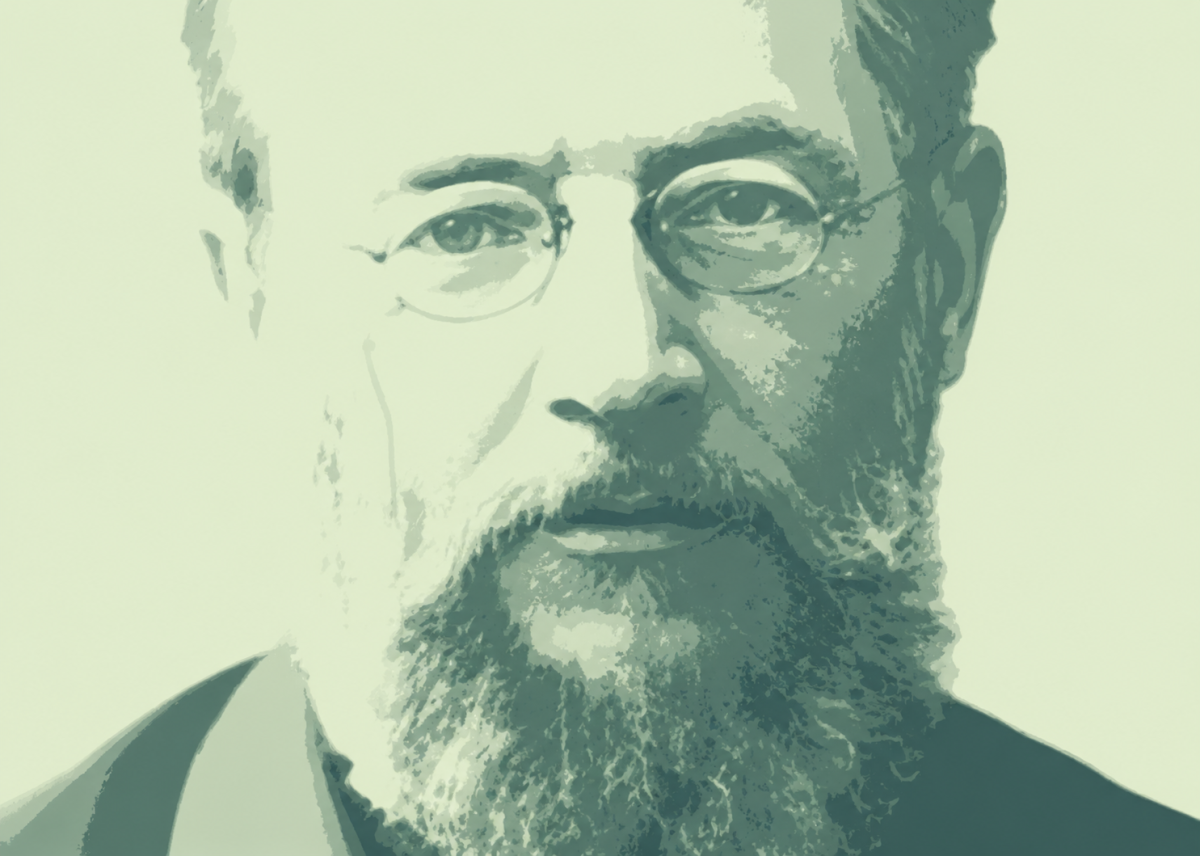
Քրիստափորի երկրորդ գաղափարական սպանությունը, որն իր հետևորդները դարձյալ չեն ընդունում, վերաբերում է Դաշնակցության կարգավիճակին. ՀՅԴ‑ն քաղաքական կուսակցո՞ւթյուն է, թե՞ ոչ։ Այս հարցում ևս Քրիստափորը միշտ հստակ է եղել. նրա համար ՀՅԴ‑ն ոչ թե կուսակցություն էր, այլ շարժում, կազմակերպություն, Ինտերնացիոնալ, նույնիսկ՝ինքնություն։ Խոսքը դասական քաղաքական կազմավորման մասին չէր, քանի որ նա ոգեշնչվել էր Կարլ Մարքսի՝ առաջադիմական կուսակցությունները միավորող Առաջին Ինտերնացիոնալից։ Կարլ Մարքսի նման, Քրիստափորը երբեք չի փորձել «Դաշնակցությունը» վերածել կուսակցության։ Կենդանության օրոք նա միշտ էլ դատապարտել է հայկական գաղտնի միությունների և կուսակցությունների բազմացումը, որն ազգային ուժերի պառակտման գլխավոր պատճառն էր։ Նա միշտ խուսափել է «կուսակցություն» եզրույթից և այն երբեք չի օգտագործել իր հրապարակումներում։ Նա մեծջանքեր է գործադրել իր ժամանակի բոլոր հոսանքները մեկ կազմակերպության մեջ համախմբելու համար։ Եթե ՀՅԴ‑ն կուսակցություն լիներ, ինչո՞ւ էին պահպանողականներն ու առաջադիմականները, համայնավարներն ու ազգայնամոլները, կղերականներն ու հակակղերականները, աջերն ու ձախերը, ժողովրդավարներն ու ամբողջատիրության կողմնակիցները, բարեփոխականներն ու հեղափոխականները հայտնվում նույն կառույցում՝ ստեղծելով Հայ Հեղափոխականների Դաշնակցությունը։
Նրա մահից հետո միայն իր ժառանգները յուրացրին «կուսակցություն» բառը՝ այդպես բնորոշելով ՀՅԴ‑ն և հակադրվելով իրենց առաջնորդի պատգամներին։ Սիմոն Զավարյանի համար ՀՅԴ‑ն «ազգային կուսակցություն» էր, քանի որ, նրա պատկերացմամբ, այն պետք է վերածվերժողովրդից վեր կանգնած կառույցի, այնպիսի կառույցի, ինչպիսին Հայ Առաքելական Եկեղեցին էր։ Միթե՞ հենց նույն Զավարյանը չէր բնութագրում ՀՅԴ‑ն որպես «աշխարհիկ եկեղեցի»։ Միքայել Վարանդյանի համար ՀՅԴ‑ն «առաջադիմական կուսակցություն» էր, քանի որ այն պետք է դառնարհայկական ինքնությունը եվրոպական մշակութայինմակարդակի բարձրացնող գործիք՝ հանուն առաջադիմության, արևմտյան քաղաքական մեծ ընտանիքում ընդգրկվելու համար։ Ռոստոմի ընկալմամբ ՀՅԴ‑ն «հեղափոխական կուսակցություն» էր, որը, մարքսիստական դիտանկյունից, պետք է իր տեղը զբաղեցներմիջազգային պայքարի առաջնագծում և ժողովրդին առաջնորդեր սոցիալական ազատագրման ճանապարհով։ Վերջապես, Հովնան Դավթյանի համար ՀՅԴ‑ն «ազգի միակ կուսակցությունն» էր, որը, ամբողջատիրական տրամաբանությամբ,կոչված էր համախմբելու բոլոր հայերին հայրենի տարածքների ազատագրման պայքարում՝ որպես հայկական հիմնապաշտության և ազգային միասնության աղբյուր։
Քրիստափորի մահից հետո այս բաժանարար գծերը ոչ միայն չվերացան, այլև ավելի խորացան Դաշնակցության ներսում, թեև այդ նոր քաղաքական դրսևորումներն էլ իրենց էությամբ հակասում էին քրիստափորյան տեսլականին։ Այսօրվա ՀՅԴ‑ն, իրոք, շատ հեռու է իր հիմնադրի՝ Ինտերնացիոնալի օրինակով կազմակերպություն ստեղծելու հավակնոտ երազանքից։ Քրիստափորի բացած հնարավորությունների լայն հորիզոնը պահպանելու փոխարեն՝ նրա հետնորդները քայլ առ քայլ նեղացրին հեղափոխական գործունեության ու գաղափարախոսության սահմանները։ Այլ կերպասած՝ երբ Քրիստափորը մատնացույց էր անում Դաշնակցության իրական նպատակը, հետևորդները նախընտրեցին միայն «կուսակցություն» բառըտեսնել։ Այսպիսով, այն, ինչ Քրիստափորի կենդանության օրոք լուսավորության, հանդուրժողականության ու լայնախոհության մարմնավորում էր, նրա մահից հետո վերածվեց խավարամտության, անհանդուրժողականության և նեղ խմբապաշտության մոդելի։
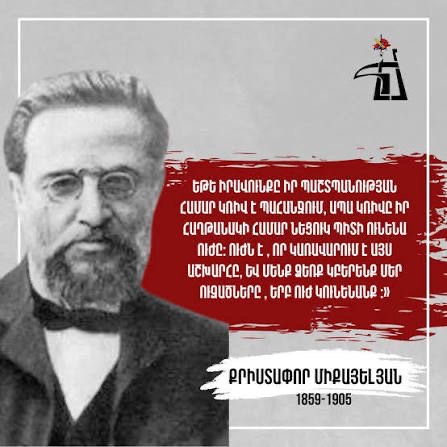
Օրինական դաշտից հրաժարվելու գործընթացն սկսվեց Քրիստափորի մահից անմիջապես հետո՝ ՀՅԴ‑ի ներսում ձևավորված չորս հիմնական հոսանքների՝ Զավարյանի, Ռոստոմի, Վարանդյանի ու Դավթյանի և նրանց հետնորդների գործունեությամբ։ Այս շղթան հետագայում յուրօրինակ զարգացում ունեցավ․ Զավարյանից մինչև Վիգեն Հովսեփյան՝ Լևոն Շանթի, Վահան Փափազյանի և Սարգիս Զեյթլյանի թողած ժառանգությամբ, Ռոստոմից մինչև Հրայր Մարուխյան՝ Դրոյի գաղափարական ազդեցությամբ,Վարանդյանից մինչև Մարիո Նալբանդյան՝ Ջամալյանի, Հրանդ Սամուելյանի և Կարո Մեհյանի ձևավորած ուղեգծով, վերջապես, Հովնան Դավթյանից մինչև Հրանտ Մարգարյան՝ Ռուբեն Տեր-Մինասյանի և Խաժակ Տեր-Գրիգորյանի հարթած ճանապարհով։ Ի դեպ, հատկապես այս վերջին՝ ամենաառավելապաշտ հոսանքի գերիշխանության օրոք էր, որ «կուսակցություն» եզրույթը վերջնականապես պարտադրվեց ՀՅԴ-ին։ Ինչպե՞ս։ «Գաղափարական կենտրոնացման» անվան տակ կազմակերպության անդամների վարքագծի համահարթեցմամբ՝ ի հաշիվ մյուս հիմնադիր սկզբունքի՝ «ապակենտրոնացման», որը բառացիորեն տապալվեց ժամանակի մաշող ազդեցության և անհնարինը հնարավոր դարձնելու ապարդյուն ջանքերի վրա վատնված էներգիայի պատճառով: Կամենալով պարտադրել խմբապաշտական, համապարփակ այդ կաղապարը՝ Հովնան Դավթյանի ղեկավարած թևն,ի վերջո, սահմանազատում մտցրեց «կուսակցականի» և «դաշնակցականի» միջև: Համոզված լինելով, որ պետք է բոլոր դաշնակցականներին տեղավորել «կուսակցականի» կաղապարի մեջ, նրանք, ի վերջո, կուսակցականին հանեցին դաշնակցականի դեմ։ Տպավորություն էր, ասես ՀՅԴ‑ի ներսում վհուկների որս էր սկսվել բազմակարծության, լայնախոհության, ազատասիրության ու ժողովրդավարության դեմ, դրանով, կարծես Քրիստափորի զավակները սպանում էին իրենց իսկ հորը…
Քրիստափորի երրորդ գաղափարական սպանությունը, որն իր հետևորդները կրկին պատրաստ չեն ընդունելու, հենց այն է, որ նրանք հեռացան այն քաղաքական թեզից, որի խորհրդանիշն էր ինքը՝ Քրիստափորը։ Փոխարենը՝ նրանք թաքնվեցին մի գաղափարախոսական հակաթեզի հետևում, որ նա կենդանության օրոք մերժում էր։ Իրականում Քրիստափորը մարմնավորում էր բուն քաղաքականն ու իրականը. նա զգում էր ժամանակի զարկերակը՝ երբեք չկտրվելով առօրյա դաժան իրականությունից։ Երբ նա բանակցում էր սուլթանի պատվիրակների հետ, նա իրական քաղաքականությամբ էր զբաղված։ Նա հստակ գիտեր խաղի կանոններն ու խաղարկվող շահերը։ Քրիստափորը պատրաստ էր առերեսվելու իրականությանն ու լուծումներ փնտրելու, նույնիսկ եթե ինքն էլ հազիվ էր հավատում դրանց հաջողությանը։ Բայց հենց այդ քայլով նա ՀՅԴ‑ն օրինականացնում էր որպես հայ ժողովրդի լիիրավ ներկայացուցիչ՝ խորտակվող Օսմանյան կայսրության իշխանությունների աչքում։ Նույնպիսի սթափություն նա ցուցաբերեց նաև դարասկզբին, երբ հրաժարվեց դաշինք կնքել երիտթուրքերի հետ։ Դա ոչ թե երկխոսության մերժում էր կամ քաղաքական անհեռատեսություն, այլ պարզ հաշվարկ. նա հրաշալի հասկանում էր, որ Ահմեդ Ռիզայի թևը ծայրահեղ ազգայնականության կրողն է։ Քրիստափորը գիտեր, որ հնարավոր չէ որևէ դրական արդյունք ակնկալել մի շարժումից, որն ի վերջո ՀՅԴ-ին տանելու էր դեպի կործանում։
Քրիստափորի մահից հետո ՀՅԴ‑ն աստիճանաբար հրաժարվեց իրական քաղաքականությունից և հեռացավ իրականությունից։ Կուսակցությունն իր ներքին միասնությունը պահպանելու համար նախընտրեց բարձրանալ դեպի երկնային գաղափարախոսական ու մեսիական պատրանքների աշխարհ։ Բայց վերածվելով երկրից կտրված կառույցի՝ ՀՅԴ‑ն կորցրեց իրականության զգացումն ու ուժերի երկրային հարաբերակցությունը ճիշտ գնահատելու ունակությունը։ Այսպիսով, 1905 թվականից ՀՅԴ‑ն զոհաբերել է քաղաքական իրապաշտությունը գաղափարախոսականկաղապարներին։ Մինչդեռ քրիստափորյան տրամաբանությունը բոլորովին այլ բան էր թելադրում․ ՀՅԴ‑ն պետք է հարգեր իր միջազգային ընդգրկումը և տեղական մշակույթների բազմազանությունը՝ վերածվելով հայկական համաշխարհային կազմակերպության, որտեղ յուրաքանչյուր թև կլիներ ինքնավար, գրեթե ինքնիշխան, լիովին ապակենտրոնացված։ Այդ դեպքում դրանցից յուրաքանչյուրը կգործեր տվյալ երկրի իրականությանը համահունչ՝ Ֆրանսիայում ներկայանալով որպես «ընկերավարական», ԱՄՆ-ում՝ «ժողովրդավարական», իսկ Լիբանանում՝ «ազգայնական կուսակցություն»՝ միաժամանակ պահպանելով իր կենդանի կապը մայր ՀՅԴ‑ի հետ։
Ի վերջո, վերջին մահացու հարվածը՝ հետնորդների կողմից Քրիստափորի վերջին գաղափարական սպանությունը, վերաբերում է Դաշնակցության վերջնական նախագծին։ Եթե Քրիստափորն իր ժամանակաշրջանի առաջադեմ գաղափարների կրողն էր, և առաջին հերթին Էմանուել Կանտի հետևորդը՝ պատրաստ կյանքի կոչելու ազգային միավորների համաշխարհային դաշնության կանտյան տեսլականը, ապա նրա ժառանգները պարզապես թիկունք դարձրեցին այդ լուսավոր նախագծին։ Փոխարենը՝ նրանք խրվեցին Ռուսաստանի հետ մի անորոշ, վտանգավոր և կործանարար դաշինքի մեջ՝ անկախ այնտեղ իշխող վարչակարգից։ Թե՛ ցարական Ռուսաստանի, թե՛խորհրդային իշխանության և թե՛ Պուտինի վարչակարգի օրոք միշտ էլ գտնվել են դաշնակցական ղեկավարներ, որոնք պատրաստակամորեն ՀՅԴ‑ն շղթայել են Ռուսաստանի հետ «սրբազան միությամբ»՝ ի հեճուկս կանտյան վեհ տեսլականի։ Ինչո՞ւ Դաշնակցությանը բնորոշ դաշնային սկզբունքը պետք է օրինական համարվի միայն Ռուսաստանիհետ հարաբերություններում, և ոչ այլ տերությունների պարագայում։ Հանուն ինչի՞։ Բացի այդ, ինչո՞ւ կանտյան նախագիծը, որի գլխավոր հեղինակներից մեկը Քրիստափորն էր, պետք է դուրս մնա ՀՅԴ‑ի տեսադաշտից և մշտապես խախտվի՝ հանուն Ռուսաստանի հետ համագործակցության կամ… գուցե կույր հնազանդությա՞ն։ Հանուն ինչի՞։
Հետքրիստափորյան Դաշնակցությունը գրեթե ոչ մի կապ չունի Քրիստափորի կենդանության օրոք գոյություն ունեցող Դաշնակցության հետ։ Միթե՞ ժամանակը չէ վերադառնալու քրիստափորականության հիմնադրույթներին՝ վերագտնելով Դաշնակցության վսեմ ոգին,քաղաքական միտքը, և կանտյան տեսլականը՝ ի հակակշիռ կույր գաղափարախոսության, կուսակցական շահի և Ռուսաստանի հետ կործանարար դաշինքի…
Կայծ Մինասյան
Texte français ci-dessous
Ils ont tué Christapor !
Qu’il n’y ait pas de mégarde : Christapor Mikaelian n’a pas été assassiné. Le fondateur de la Fédération Révolutionnaire Arménienne (FRA) est bien mort le 4 mars 1905 en manipulant une bombe, aux pieds du montVidocha, en Bulgarie, lors d’un dernier test d’explosifs, dans le cadre de l’opération qu’il dirigeait contre le Sultan Abdul Hamid II. On peut toujours s’interroger sur les circonstances de la mort du prophète de la Révolutionarménienne, dont la soudaine disparition a transformé les militants de la FRA en « orphelins », selon les mots du poète et non moins dachnaktsagan, Siamento, publiésdans Drochak, organe central du Dachnaktsoutioun. Mais, ici, le titre ne fait pas référence aux conditions opaques de sa mort. Son sens porte davantage sur l’héritage politique que l’apôtre Christapor, comme l’appelait Avedis Aharonian, a légué à sa postérité.
Les héritages sont toujours un moment pénible pour les organisations révolutionnaires. Souvent, les héritiers se demandent comment rester fidèles au guide ? Marcheront-ils dans ses pas ou seront-ils catalogués de fossoyeurs des idéaux de leur maître à la moindre prise de position ? Pour la FRA, cette épreuve est particulièrement douloureuse, car les héritiers de Christapor ont pris leur distance avec lui, et l’ont même tué quatre fois depuis sa mort, un quadruple assassinat, qui aura des conséquencesmonumentales pour le peuple arménien…
Le premier assassinat de Christapor que ses héritiers n’ontjamais assumé renvoie à l’alliance avec les Jeunes-Turcsen 1907. Christapor était jusqu’à sa mort catégoriquementcontre toute forme d’union avec Ahmed Riza, le leader enexil de la tendance jacobine du mouvement des Jeunes-Turcs, dont Christapor disait d’ailleurs qu’il était bien plus dangereux que le sultan rouge, Abdul Hamid II. Alors, comment expliquer ce décalage ? Oui, comment expliquersi ce n’est par la prise de distance – pour ne pas dire autrechose — avec leur fondateur que les dirigeants de la FRA ont signé une alliance avec le Comité Union et Progrès(CUP), en décembre 1907, soit 2 ans et 9 mois après la mort de Christapor, totalement hostile, rappelons-le, à cette perspective qui va, quelques années plus tard, êtrefatale pour les Arméniens ? Pourquoi les directions successives de la FRA s’obstinent-elles jusqu’à ce jour à ne pas dénoncer cette grave erreur ?
Le deuxième assassinat de Christapor que ses héritierssont aussi loin d’assumer renvoie au statut du Dachnaktsoutioun : est-ce ou pas un parti politique ? Làaussi, Christapor a toujours été formel : pour lui, la FRA n’est pas un parti mais un mouvement, une organisationou une Internationale voire une identité. En aucun cas, il s’agit d’une formation politique classique car il s’estinspiré de la première Internationale de Karl Marx qui réunit des partis progressistes. A l’image de Karl Marx, Christapor n’a jamais cherché à transformer sa« Fédération » en un parti proprement dit. La preuve : il a condamné de son vivant le nombre important des sociétéssecrètes et partis arméniens, sources de divisions. Il s’esttoujours méfié de ce label « parti » et ne l’a jamais utilisédans ses publications. Il s’est toujours mobilisé pour réunir autour de la table toutes les tendances de son époque. Si la FRA était un parti, pourquoi conservateurs et progressistes, socialistes et nationalistes, cléricaux et anti-cléricaux, droite et gauche, démocrates et totalitaires, réformistes et révolutionnaires se sont retrouvés dans la même enceinte pour constituer la Fédération des Révolutionnaires Arméniens ?
C’est après sa mort que ses héritiers se sont emparés du mot « parti » pour désigner la FRA et prendre à contre-pied les messages de leur ainé. Pour Simon Zavarian, la FRA est « un parti national », car il fallait l’élever au rang d’institution au-dessus du peuple, au même titre que l’Église apostolique arménienne. Ce même Zavarian ne décrit-il pas d’ailleurs la FRA en « Eglise laïque » ? Pour Mikael Varandian, la FRA est « un parti progressiste », car il fallait élever l’identité arménienne au rang des cultures européennes, au nom du progrès, pour être sur la photo de la grande famille de la modernité occidentale. Pour Rostom, la FRA est « un parti révolutionnaire », car il fallait la placer, au sens marxiste, à l’avant-garde de la lutte internationale, au nom de la révolution sociale, de façon à guider le peuple dans son processusd’émancipation. Enfin, pour Hovnan Tavtian, la FRA est le « parti de la nation », qui regroupe dans une démarche totalitaire tous les Arméniens dans le combat pour la libération des territoires, source du fondamentalisme arménien et de l’intégration nationale.
Depuis la mort de Christapor, tous ces clivages se sont sontmaintenus et développés dans l’écosystème dachnak alorsque chacune des expressions politique a pris à contre-pied le modèle christaporien. On est, en effet, très loin de l’ambition d’Internationale de son fondateur. Au lieu de préserver ce champ des possibles, ses héritiers n’ont fait que réduire le périmètre légitime de l’actionrévolutionnaire et de son corpus. En somme, quandChristapor montrait l’objectif à atteindre du Dachnaktsoutioun, ses héritiers n’ont voulu voir dans son doigt que le mot « parti ». Ainsi, ce qui était du vivant de Christapor un modèle des Lumières, de tolérance et d’ouverture d’esprit est devenu après sa mort un modèled’obscurantisme, d’intolérance et de sectarisme.
Ce processus de fermeture du champ légitime a commencédès la mort de Christapor avec les interactions entre les quatre principales tendances que renferme la FRA :Zavarian, Rostom, Varandian et Tavtian et leur propre descendance : De Zavarian à Viken Hovsepian en passant par Levon Chanth, Vahan Papazian et Sarkis Zeitlian. De Rostom à Hraïr Maroukhian via Dro. De Varandian à Mario Nalbandian, via Djamalian, Hrand Samuel et Garo Mehian. Enfin, de Hovnan Tavtian à Hrand Markarian via Roupen Ter Minassian et Khajak Der Krikorian. C’estd’ailleurs surtout sous cette dernière tendance, la plus maximaliste que l’expression « parti » s’est imposée dans la FRA. Comment ? Par l’uniformisation du comportementdes militant au nom du « centralisme idéologique » au détriment de l’autre principe fondateur, la « décentralisation », littéralement terrassée par l’usure du temps et l’énergie déployée pour faire entrer un carré dans un rond. A force de vouloir imposer un moule intégrateuret sectaire, la tendance de Hovnan Tavtian a fini par marquer une différence entre « Goussaktsagan » (Partisan) et « Dachnaktsagan » (Fédéré). Croyant faire ensorte que tous les « Dachnaktsagans » doivent devenir des « Goussaktsagans », ils ont fini par ériger le « Goussaktsagan » contre le « Dachnaktsagan », comme sile « Goussaktsagan » s’était lancé dans une chasse aux sorcières au sein de la FRA contre la diversité, l’espritd’ouverture et le respect des libertés et de la démocratieinterne. En somme, c’est comme si les enfants de Christapor avaient tué leur propre père…
Le troisième assassinat de Christapor que ses héritiers ne sont pas prêts non plus d’assumer a consisté à s’éloignerde la thèse du politique que symbolise Christapor pour se draper dans l’anti-thèse de l’idéologie que Christapor rejetait. De son vivant, Christapor incarnait le politique, le réel, le lien avec le temps, les mains dans le dure réalité du quotidien. Lorsqu’il négocie avec la délégation du Sultan, il fait du politique et de la politique. Il en connaît les enjeuxet accepte d’affronter la possibilité de trouver une solution, même s’il y croit guère. Mais cela légitime la FRA en tant qu’interlocuteur des Arméniens auprès d’un régime sur le déclin. Lorsqu’il refuse de signer l’alliance avec le CUP au tournant du XXe siècle, ce n’est pas par refus du dialogue ou par obscurantisme, c’est parce qu’il n’ignore pas que la branche d’Ahmed Riza est porteuse d’une idéologienationaliste en plein essor. Il n’y a rien à attendre d’un mouvement qui fait courir la FRA à sa perte.
Après la mort de Christapor, la FRA a renoncé au politique et a tourné le dos au réel pour s’élever dans les Cieux de l’idéologie et du messianisme afin de conserver son unité. Mais en devenant un instrument hors-sol, la FRA a renoncé au rapport de force ici-bas et au sens des réalitésdans un monde tel qu’il est. Si bien que, depuis 1905, la FRA a renoncé au politique au profit de l’idéologique. La logique christaporienne aurait voulu que la FRA respectesa dimension internationale et la diversité des cultures endevenant, par exemple, une organisation internationalearménienne où chaque branche serait autonome, quasiment souveraine, totalement décentralisée et oùchacune d’entre elle représenterait « un parti socialiste enFrance », « un parti démocrate aux Etats-Unis », « un parti nationaliste au Liban », le tout étant affilié à la FRA.
Enfin, le coup de grâce, cette dernière forme d’assassinatde Christapor par ses héritiers renvoie au projet final du Dachnaktsoutioun. Si Christapor était une interface d’idées de son époque mais avant tout un disciple d’Emmanuel Kant disposé à réaliser son projet de fédération mondiale d’unités nationales, ses héritiers onttourné le dos au projet kantien pour s’enferrer dans unealliance hasardeuse, dangereuse et indigeste avec la Russie, quel que soit le régime en place : sous les Tsars, comme sous les Soviets ou sous le régime de Poutine, il s’est toujours trouvé des dirigeants dachnaks prêts à maintenir la FRA dans une union sacrée avec la Russie au détriment du projet kantien. Pourquoi le principe fédéralpropre au Dachnaktsoutioun serait-il légitime avec la Russie et pas avec d’autres puissances ? Au nom de quoi ?Par ailleurs, pourquoi le projet kantien dont Christapor estl’un des principaux artisans devrait être oublié des radars de la FRA et être constamment transgressé au nom d’unecoopération – d’une soumission ? – avec la Russie ? Làaussi, au nom de quoi ?
Le Dachnaktsoutioun post-christaporien n’a plus grand-chose à voir avec le Dachnaktsoutioun du vivant de Christapor. Le temps n’est-il pas venu de revenir aux fondamentaux du christaporisme à savoir renouer avec le politique, l’esprit de la Fédération et le projet kantien au détriment de l’idéologie, du parti et de l’alliance avec la Russie… ?
Gaïdz Minassian
English text below
They Assassinated Kristapor!
Let there be no misunderstanding: in reality, KristaporMikaelian was not assassinated. The founder of the Armenian Revolutionary Federation (ARF) perished on March 4, 1905, in Bulgaria, at the foot of Mount Vitosha, during the final testing of explosives prepared for an assassination attempt against Sultan Abdul Hamid II that he himself was leading. Of course, one can always question the circumstances surrounding the death of the pioneer of the Armenian revolution, whose sudden loss, in the precise characterization of the poet and DashnakSiamanto, “orphaned” the ARF fighters. This assessment was published in the ARF central organ Droshak’s obituary. But the title of this article does not refer to the mysterious circumstances of his death. It is primarily about the political legacy that “Apostle” Kristapor — as Avetis Aharonyan called him — bequeathed to his successors.
The issue of legacy has always been one of the most difficult trials for revolutionary organizations. Successors often face the same question: how to remain faithful to the leader’s ideas? Should one follow his path unconditionally, or will even the slightest shift in position lead to them being labeled as the gravediggers of their teacher’s ideas? In the history of the ARF, this problem manifested with particular sharpness. KristaporMikaelian’s ideological heirs gradually distanced themselves from his principles over time and “assassinated” him four times after his death. This refers to the quadruple ideological assassination of Kristapor, which had the gravest consequences for the Armenian people…
Kristapor’s first ideological assassination, which his followers have never acknowledged, concerns the alliance concluded with the Young Turks in 1907. Until his death, Kristapor was categorically opposed to any union with the Jacobin wing of the Young Turk movement and its exiled leader Ahmed Riza, about whom he said, incidentally, that he was far more dangerous than the bloody Sultan Abdul Hamid II. How then can this sharp turn be explained? Indeed, how can it be explained if not by a departure from their founder’s ideas (to say no more), since the ARF leaders signed an alliance with the “Ittihad ve Terakki” (“Union and Progress”) Committee in December 1907 — that is, two years and nine months after Kristapor’s death. Let us recall that he was categorically opposed to that viewpoint, which a few years later proved fatal for the Armenian people. Why do the subsequent ARF leaders stubbornly refuse to this day to condemn this most grievous mistake?
Kristapor’s second ideological assassination, which his followers again do not acknowledge, concerns the status of the Federation: is the ARF a political party or not? On this issue too, Kristapor was always clear: for him, the ARF was not a party, but a movement, an organization, an International, even an identity. It was not about a classical political formation, because he drew inspiration from Karl Marx’s First International, which united progressive parties. Like Karl Marx, Kristapor never tried to turn the “Federation” into a party. During his lifetime, he always condemned the proliferation of Armenian secret unions and parties, which was the main cause of the fragmentation of national forces. He always avoided the term “party” and never used it in his publications. He made great efforts to unite all the currents of his time within a single organization. If the ARF were a party, why would conservatives and progressives, communists and nationalists, clericals and anticlericals, rightists and leftists, democrats and advocates of totalitarianism, reformers and revolutionaries all find themselves in the same structure — creating the Armenian Revolutionary Federation?
After his death, only his heirs appropriated the word “party,” using it to characterize the ARF and directly contradicting their leader’s teachings.
For Simon Zavarian, the ARF was a “national party,” because in his vision it had to become a structure standing above the people — a structure like the Armenian Apostolic Church. Was it not the very same Zavarian who described the ARF as a “secular church”? For Mikayel Varantian, the ARF was a “progressive party,” because it was supposed to become a tool for elevating Armenian identity to the European cultural level — in the name of progress and for integration into the great Western political family. In Rostom’s perception, the ARF was a “revolutionary party” which, from a Marxist viewpoint, had to take its place on the front lines of the international struggle and lead the people along the path of social liberation. Finally, for Hovnan Davtyan, the ARF was “the nation’s only party,” which, with totalitarian logic, was called upon to unite all Armenians in the struggle for the liberation of the homeland territories — as a source of Armenian fundamentalism and national unity.
After Kristapor’s death, these dividing lines not only did not disappear within the Federation but deepened further, even though these new political manifestations essentially contradicted the Kristaporian vision. Today’s ARF is indeed very far from its founder’s ambitious dream of creating an organization modeled after the International. Instead of preserving the broad horizon of possibilities opened by Kristapor, his successors step by step narrowed the boundaries of revolutionary activity and ideology. In other words, when Kristapor pointed to the real purpose of the Federation, his followers preferred to see only the word “party.” Thus, what during Kristapor’s lifetime had been the embodiment of enlightenment, tolerance, and broad-mindedness, after his death turned into a model of obscurantism, intolerance, and narrow factionalism.
The process of abandoning the legal field began immediately after Kristapor’s death through the activity of the four main currents that formed within the ARF — those of Zavarian, Rostom, Varantian, and Davtyan — and their successors. This chain later underwent a peculiar development: from Zavarian to Vigen Hovsepyan through the legacy left by Levon Shant, Vahan Papazyan, and Sarkis Zeitlian; from Rostom to Hrayr Marukhyan under the ideological influence of Dro; from Varantian to Mario Nalbandian along the line shaped by Jamalian, Hrant Samuelian, and Karo Mehian; and finally, from Hovnan Davtyan to Hrant Margaryan along the path paved by Ruben Ter-Minasian and Khazhak Ter-Grigorian. Incidentally, it was especially during the dominance of this last — the most fundamentalist current — that the term “party” was definitively imposed on the ARF.
How? Under the name of “ideological centralization,” by leveling the behavior of the organization’s members at the expense of the other founding principle — “decentralization” — which was literally overthrown by the erosive effect of time and the energy wasted on futile efforts to make the impossible possible. Wishing to impose that factional, all-encompassing mold, the wing led by Hovnan Davtyan ultimately drew a demarcation line between “party member” and “Dashnak.” Convinced that all Dashnaks had to be fitted into the “party member” mold, they eventually set the party member against the Dashnak. The impression was that a witch hunt had begun inside the ARF against pluralism, broad-mindedness, love of freedom, and democracy — as if Kristapor’s children were killing their own father…
Kristapor’s third ideological assassination, which his followers are again unprepared to acknowledge, is precisely that they departed from the political thesis of which he himself was the embodiment and symbol.
Instead, they took shelter behind an ideological counter-thesis that he had rejected during his lifetime. In reality, Kristaporembodied genuine politics and realism: he felt the pulse of the times, never disconnecting from the harsh everyday reality. When he negotiated with the Sultan’s representatives, he was engaged in real politics. He clearly knew the rules of the game and the interests at stake. Kristapor was ready to confront reality and seek solutions, even if he himself barely believed in their success. But it was precisely through that step that he legitimized the ARF as the full-fledged representative of the Armenian people in the eyes of the authorities of the collapsing Ottoman Empire. He demonstrated the same sobriety at the beginning of the century when he refused to conclude an alliance with the Young Turks. That was not a rejection of dialogue or political short-sightedness, but a simple calculation: he perfectly understood that Ahmed Riza’s wing was the bearer of extreme nationalism. Kristapor knew that no positive result could be expected from a movement that would ultimately lead the ARF to ruin.
After Kristapor’s death, the ARF gradually abandoned real politics and distanced itself from reality. In order to preserve its internal unity, the party preferred to ascend into the world of lofty ideological and messianic illusions. But by turning into a structure detached from the ground, the ARF lost its sense of reality and its ability to correctly assess the earthly balance of forces. Thus, from 1905 onward, the ARF sacrificed political realism to ideological molds. Whereas Kristaporian logic dictated something entirely different: the ARF had to respect its international scope and the diversity of local cultures, transforming into a global Armenian organization in which each wing would be autonomous, almost sovereign, and fully decentralized. In that case, each of them would operate in accordance with the reality of the given country — presenting itself as “socialist” in France, “democratic” in the United States, and a “nationalist party” in Lebanon — while at the same time maintaining its living connection with the mother ARF.
Finally, the last deadly blow — the fourth and final ideological assassination of Kristapor by his successors — concerns the Federation’s ultimate project. If Kristapor was the bearer of the progressive ideas of his era, and above all a follower of Immanuel Kant, ready to bring to life Kant’s vision of a worldwide federation of national units, then his heirs simply turned their backs on that enlightened project. Instead, they became stuck in an ambiguous, dangerous, and destructive alliance with Russia — regardless of the regime in power there. Both under Tsarist Russia, under Soviet rule, and under Putin’s regime, there have always been Dashnak leaders who willingly chained the ARF to Russia in a “sacred union,” in defiance of Kant’s sublime vision. Why should the federal principlecharacteristic of the Federation be considered legitimate only in relations with Russia, and not with other powers? In the name of what? Moreover, why should Kant’s project, of which Kristaporwas one of the main authors, remain outside the ARF’s field of vision and be constantly violated in the name of cooperation with Russia or… perhaps blind obedience? In the name of what?
The post-Kristapor ARF has almost nothing in common with the Federation that existed during Kristapor’s lifetime. Is it not time to return to the foundational principles of Kristaporianism — to rediscover the Federation’s lofty spirit, political thought, and Kant‘s vision as a counterweight to blind ideology, party interest, and the destructive alliance with Russia?
Gaidz Minassian