





Այս հղումը Հեգելին պատահական չէ, քանի որ հեղափոխական շարժումը միաժամանակ արդյունք էր կոմտյան մոտեցման՝ աստվածաբանական՝ Հայ եկեղեցու էվոլյուցիայի հետ, մետաֆիզիկական՝ քաղաքական մշակույթի ներխուժմամբ և տասնիններորդ դարի ազատագրական շարժման սկիզբներով, և դրական՝ հեղափոխական շարժման նյութականացմամբ, բայց նաև հեգելյան մոտեցման՝ Արմենական թեզ, Հնչակյան հակաթեզ և Դաշնակցական սինթեզ։
Կայծ Մինասյան
Մաս երկրորդ
Դեպի համահունչ պատմություն, քաղաքականություն, հեղափոխություն և Հայ դատականություն
Հայկական հեղափոխական շարժումը (1878–1914)՝ որը հիմնականում կազմված էր Արմենական կուսակցությունից, Սոցիալ-դեմոկրատ Հնչակյան կուսակցությունից (ՍԴՀԿ) և Հայ Յեղափոխական Դաշնակցությունից (ՀՅԴ), երկու դինամիկաների ժառանգորդն էր, որոնք երբեմն փոխլրացնող էին, երբեմն՝ հակասական։ Մի կողմից՝ Լուսավորության համամարդկայնությունը, հեղափոխությունների դարաշրջանը (ֆրանսիական, ամերիկյան, արդյունաբերական), Արևելյան հարցի ծնունդը, ռուսական և օսմանյան կայսրություններում լիբերալ բարեփոխումները, Օսմանյան կայսրության պատերազմներն ու պարտությունները, Պատմության շարժիչ ուժի դերում Բանականության վրա հիմնված նոր գաղափարների վերելքը, ինչպես նաև ուսանողների, մտավորականների և հրապարակախոսների մի սերնդի ի հայտ գալը, որոնք՝ արտասահմանում համալսարաններ հաճախելու շնորհիվ, իրենց նախորդներից ավելի բաց էին։
Մյուս կողմից՝ ռուսական և օսմանյան կայսրությունների բռնապետությունը իրենց համապատասխան հեռավոր նահանգներում, կենտրոնական իշխանությունների անհավասար քաղաքականությունները, Հայ եկեղեցու պահպանողականությունը, Թուրքական Հայաստանում արդյունաբերական հենքի բացակայությունը, ավանդական հայկական ընտանիքի մոդելի կոշտությունը և լեռնաշխարհի բնակչության մեկուսացված մտածողությունները, որոնք կտրված էին աշխարհի իրականություններից։
Ինչպե՞ս էին երեք հայկական կազմակերպությունները միավորում համամարդկայնության թելը առանձնահատկության ասեղի հետ՝ այն երկու գործիքները, որոնք անհրաժեշտ էին նոր ազգային պատմողականություն կարելու և նոր պատկերագրություն առաջարկելու համար, որը պիտի միավորեր հայերին։ Պարզապես քաղաքականության ներխուժմամբ՝ որպես հեղափոխական մղում հնարավորությունների դաշտ, նոր դերակատարի ծառայության մեջ՝ Հայաստան։ Այդ պահից ի վեր պատմությունը, քաղաքականությունը, հեղափոխությունը և Հայաստանը դարձան մեկ ալքիմիա, մեկ նոր պարադիգմա։ Միասին այս հեղափոխական կազմակերպությունները հայերին առաջարկեցին պատմության մեջ մեծ թռիչք կատարել՝ դիմագրավելով ուժային հարաբերությունների դաժանությանը, իրականությանը։ Ինչո՞ւ օգտագործել «մեծ թռիչք» պատկերը։ Որովհետև մինչև 1877–1878 թթ. ռուս-թուրքական պատերազմի շրջադարձային պահը հայերը, հավաքական մակարդակով, իրենց ապագան պատկերացնում էին ոչ թե քաղաքական հեռանկարով՝ իրականությանը դիմակայելու համար, այլ մշակութային։ Ազգային միտքը արտահայտվում էր մշակույթի միջոցով, հատկապես հոգևորականների առաջնորդությամբ, որոնք էլիտաների մեջ մեծամասնություն էին կազմում և միակ հեղինակություններն էին, որոնք ճանաչվում էին կայսերական իշխանությունների կողմից։ Այն աստիճան, որ մշակութայինի միջոցով ապագայի մեջ նախագծվելը թույլ էր տալիս շրջանցել կամ խուսափել իրականության կոշտությունից, մինչդեռ քաղաքականի միջոցով նախագծվելը հայկական հեղափոխության առաջամարտիկների (Աբովյան, Նալբանդյան, Խրիմյան Հայրիկ, Րաֆֆի և այլն) համար նշանակում էր առերեսում իրականությանը, կեղծ պատրանքների ավարտ, ուժեղ և անկեղծ գործողություն՝ առանց հետևանքները իմանալու կամ պատասխանատվությունը չափելու։ Այստեղից էլ՝ մեծ թռիչքի գաղափարը։
Այս թռիչքը սահմանվեց, նախ և առաջ, եթե ոչ որպես խզում, ապա գոնե որպես հեռացում հայկական մոնիզմից(փիլիսոփայական մտածողություն)՝ այն մտածողության համակարգից, որը բաղկացած էր մեկ միակ նյութից՝ հոգևորից կամ կրոնականից, և որը խեղդում էր մյուս բոլոր ոլորտները (քաղաքական, սոցիալական, մշակութային, տնտեսական)։ Այս հայկական մոնիզմը կամ «եկեղեցի-ազգը» միավորում էր գործունեության տարբեր դաշտերը և վերացնում դրանց միջև եղած հեռավորությունները՝ կանխելու համար դրանց ինքնուրույնացումը. քաղաքականը կրոնական էր, մշակութայինը կրոնական էր, ամեն ինչ կրոնական էր։ Սակայն ամբողջ տասնիններորդ դարի ընթացքում առաջին գաղտնի ընկերությունների կամքը, որը հաստատվեց երեք հայկական հեղափոխական կազմակերպությունների կողմից, հենց այն էր, որ արժևորեն քաղաքականը՝ ի վնաս կրոնականի, և խզում նշեն հին կարգի հետ։
Այս ազատագրական շարժումը ներկայացնում էր իրեն որպես նոր պատմության կրող, պատմություն, որը գրվում էր բանականությամբ և մարդու ձեռքով՝ ի վնաս կրոնի և Աստծո ձեռքի։ Սակայն քաղաքականության այս ինքնուրույնացումը նույնական չէր, հատկապես երեք հիմնական կազմավորումների միջև։ Արմենական կուսակցությունը, ՍԴՀԿ‑ն և ՀՅԴ‑ն առաջ էին շարժվում ցրված կարգով։ Եթե ՍԴՀԿ‑ի (մարքսիստական և ինտերնացիոնալիստական) համար Հին աշխարհի հետ խզումը արմատական էր՝ «ես»-ի հեղափոխության և հասարակական գիտությունների գալուստի անունից, ապա Արմենական կուսակցության (ավանդապաշտական և տարածաշրջանային) համար հարց անգամ չէր կարող լինել կրոնական կարգի և դասականության հետ խզումը։
Եթե ՍԴՀԿ‑ն կրոնականի և քաղաքականի միջև խզում էր նշում՝ ի շահ վերջինիս, ապա Արմենական կուսակցությունը հակված էր կրոնականն ու քաղաքականը համակեցության մեջ դնել՝ ի շահ առաջինի, ասես ներկայանալով որպես Հայ Առաքելական Եկեղեցու քաղաքական թևը։ Եթե ՍԴՀԿ‑ն ցանկանում էր պաշտպանել աշխատավորներին բուրժուազիայի և թագավորության դեմ, ապա Արմենական կուսակցությունը պաշտպանում էր գյուղացիությանը՝ առանց հակադրելու բուրժուազիային և առավել ևս՝ միապետության գաղափարին։ Եթե ՍԴՀԿ‑ն ցանկանում էր լինել սոցիալական հեղափոխության ավանգարդը, որտեղ բռնության կիրառումը սոցիալական փոխակերպման վեկտոր էր, ապա Արմենական կուսակցությունը կողմ էր ազգային հեղափոխության ռեֆիկացիային՝ ավանդույթի (ինքնա)պաշտպանության անունից։ Եթե ՍԴՀԿ‑ն նախընտրում էր գործիչների (անհատների և ժողովրդի) զորացումը, ապա Արմենական կուսակցությունը պաշտպանում էր նրանց կախվածությունը ավանդույթից և ազգից։ Կարճ ասած՝ ՍԴՀԿ‑ի համար պատմությունը խզում էր, Արմենական կուսակցության համար՝ ցիկլային ընթացք։ Իսկ ՀՅԴ‑ի համար պատմությունը ոչ խզում էր, ոչ էլ ցիկլային, այլ՝ ողբերգական։
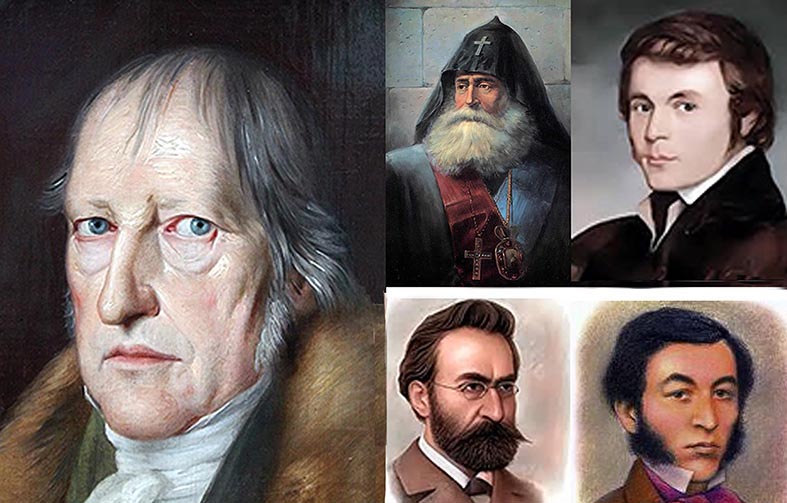
Այս հղումը Հեգելին պատահական չէ, քանի որ հեղափոխական շարժումը միաժամանակ արդյունք էր կոմտյան մոտեցման՝ աստվածաբանական՝ Հայ եկեղեցու էվոլյուցիայի հետ, մետաֆիզիկական՝ քաղաքական մշակույթի ներխուժմամբ և տասնիններորդ դարի ազատագրական շարժման սկիզբներով, և դրական՝ հեղափոխական շարժման նյութականացմամբ, բայց նաև հեգելյան մոտեցման՝ Արմենական թեզ, Հնչակյան հակաթեզ և Դաշնակցական սինթեզ։ Այն աստիճան, որ Արմենական կուսակցության և ՍԴՀԿ‑ի միջև կիսաճանապարհին կանգնած ՀՅԴ‑ն չէր ընտրում քաղաքականության և կրոնի, ազգայնականության և ինտերնացիոնալիզմի, ավանդույթի և արդիականության, գյուղականության և քաղաքայնության, ազգի և ժողովրդի, ինքնապաշտպանության և հեղափոխության միջև։
Ճիշտն ասած՝ եթե Սիմոն Զավարյանը թեքվում էր դեպի Արմենականները՝ իր գյուղական, ազգային, պահպանողական, հոգևորական և հիմնարար ներշնչմամբ, և հակառակը, եթե Ռոստոմը իրեն ավելի շատ ճանաչում էր Հնչակյանների ինտերնացիոնալիստական, արմատական, հակակղերական, առաջադեմ, քաղաքային խոսքի մեջ, ապա Քրիստափորը՝ ՀՅԴ‑ի գլխավոր հիմնադիրը, իրեն չէր ճանաչում ո՛չ հիմնարար, ո՛չ էլ արմատական մոտեցման մեջ, այլ՝ հեղափոխության գործիքային մոտեցման մեջ։
(շարունակելի․․․)
English text below‘
The Social Democratic Hnchakian Party
and the Armenian Revolutionary Federation,
fraternal twins or semi-identical twins?
Part two
Towards a coherent history, politics, Revolution and Haitadism
The Armenian revolutionary movement (1878–1914)—composed essentially of the Armenakan party, the SDHP and the ARF—awas the heir of two dynamics, sometimes complementary, sometimes contradictory. On the one hand, the universalism of the Enlightenment, the era of revolutions (French, American, Industrial), the birth of the Eastern Question, the liberal reforms in the Russian and Ottoman Empires, the wars and defeats of the Ottoman Empire, the rise of new ideas based on Reasonas the driving force of History, and the emergence of a generation of students, intellectuals and publicists who were more open—aas they attended universities abroad— than their elders. On the other hand, the despotism of the Russian and Ottoman empires in their respective remote provinces, the unequal policies of the central powers, the conservatism of the Armenian Church, the absence of an industrial fabric in Turkish Armenia, the rigidity of the traditional Armenian family model, and the isolated mentalities of the plateau populations cut off from the realities of the world. How did the three Armenian organizations combine the thread of universalism with the needle of particularism, the two tools necessary to sew a new national narrative and propose a new iconography that would bring Armenians together? Simply by the irruption of politics, like a revolutionary thrust into the field of possibilities in the service of a new actor: Armenia. From then on, history, politics, revolution, and Armenia were one alchemy, one new paradigm. Together, these revolutionary organizations offered the Armenians to take the great leap in history by facing the harshness of the power relationship, of reality. Why use this image of the great leap? Because until the turning point of the Russo-Ottoman war in 1877–1878, Armenians, on a collective scale, projected themselves into the future, not from political perspective, in order to confront reality, but from the cultural one. It was through the cultural that national thought was expressed, particularly under the direction of the ecclesiastics, who were in the majority among the elites and were the only authorities recognized by the imperial powers. So much so that the projection into the future through the cultural allowed to bypass or avoid the rigidity of reality whereas the projection through the political constituted, for the pioneers of the Armenian revolution (Abovian, Nalbandian, Khrimian Hairig, Raffi, etc.), a confrontation with reality, the end of the false pretenses, a strong and frank act without knowing the consequences or measuring its responsibilities. Hence the idea of the great leap.
This leap was defined above all, if not as a break, at least as a distancing from Armenian monism, that system of thought composed of a single substance, the spiritual or religious, which suffocated all other spheres (the political, the social, the cultural, the economic). This Armenian monism or the “church-nation”unified the different fields of activity and broke the distances in order to prevent their autonomization: the political was religious, the cultural was religious, everything was religious. However, throughout the nineteenth century, the will of the first secret societies, confirmed by the three Armenian revolutionary organizations, consisted precisely in valorizing the political to the detriment of the religious and in marking a break with the old order. This liberation movement presented itself as the bearer of a new history, one written by reason and the hand of man to the detriment of religion and the hand of God. But this autonomization of politics was not identical, especially between the three main formations. The Armenakan party, the SDHP, and the ARF progressed in scattered order. If for the SDHP (Marxist and internationalist) the break with the Old World was radical in the name of the revolution of the “I” and the advent of social sciences, for the Armenakan party (traditionalist and regionalist), it was out of question to break with the religious order and classicism. If the SDHP marked a break between the religious and the political to the benefit of the latter, the Armenakan party rather made the religious and the political cohabit to the benefit of the former, as if it presented itself as the political arm of the Armenian Apostolic Church. If the SDHP wanted to defend the workers against the bourgeoisie and the royalty, the Armenakan party defended the peasantry without antagonizing the bourgeoisie and even less the idea of monarchy. If the SDHP wanted to be the vanguard of a social revolution in which the use of violence constituted the vector of a social transformation, the Armenakan party was for the reification of a national revolution in the name of the (self-)defense of a tradition. If the SDHP favored the empowerment of actors (individuals and people), the Armenakan party defended their dependence on tradition and the nation. In short, for the SDHP, history was rupture; for the Armenakan party, history was cyclical. For the ARF, however, history was neither rupture nor cyclical, but tragic. This reference to Hegel is not accidental, since the revolutionary movement was at the same time the result of a Comtian approach—theological with the evolution of the Armenian Church, metaphysical with the irruption of political culture and the beginnings of the liberation movement in the nineteenthth century, and positive with the materialization of the revolutionary movement—but also of a Hegelian approach: the Armenakan thesis, the Hnchakian antithesis and the Dashnaktsakan synthesis. So much so that, halfway between the Armenakan party and the SDHP, the ARF did not decide between politics and religion, between nationalism and internationalism, between tradition and modernity, between rurality and urbanity, between nation and people, between self-defense and revolution. To tell the truth, if Simon Zavarian leaned towards the Armenakans by rural, national, conservative, clerical and fundamental inspiration and, on the contrary, if Rostom recognized himself more on the side of the internationalist, radical, anticlerical, progressive, urban verb of the Hnchakians, Kristapor, the main founder of the ARF, recognized himself neither through a fundamental nor a radical approach to the revolution but through an instrumental approach.
(To be continued…)